Category Archives: Cultural Short Stories – Lessons & African Morals | ScoFiction

Read powerful short stories that teach life lessons, morals, and celebrate African culture. Perfect for quick, inspiring reads with timeless messages.

The Hidden Heir of the Ashanti Throne

A Powerful Emotional African Kingdom Narrative Story


Table of Contents

  1. Introduction: The Golden Kingdom of Ashanti
  2. The Prophecy of the Golden Stool
  3. A Child Born in Silence
  4. The Night of Betrayal
  5. The Disappearance of the Heir
  6. A Village Far from Kumasi
  7. Growing Up Without a Crown
  8. The Mark of Royal Blood
  9. The Queen Mother’s Secret
  10. The Usurper’s Rule
  11. The Return of the Stranger
  12. Trials of Identity
  13. Blood, Tradition, and Truth
  14. The Storm Over Kumasi
  15. The Revelation at the Sacred Grove
  16. The Final Confrontation
  17. The Crown Restored
  18. Healing the Kingdom
  19. Legacy of the Hidden Heir
  20. Lessons from the Ashanti Throne

Introduction: The Golden Kingdom of Ashanti

Long before the sound of engines and electric lights touched the red earth of West Africa, the kingdom of Ashanti stood like a blazing sun in the heart of the forest. Its wealth was gold. Its strength was unity. Its pride was tradition. And its soul was the sacred Golden Stool — believed to carry the spirit of the people.

In the royal city of Kumasi, the palace shimmered with carved pillars and drums that spoke messages across villages. The people believed that no king ruled alone; he ruled with the ancestors watching.

But even the strongest kingdom is vulnerable when ambition whispers in the dark.

And so begins the story of a child hidden from his destiny.


The Prophecy of the Golden Stool

On the day the queen went into labor, the skies turned the color of molten gold. The royal priest declared it a sign.

The queen mother, Nana Afriyie, held her daughter’s hand and whispered, “This child will not simply sit on the throne. He will protect it.”

The prophecy had been spoken months before:

“A son will be born under the rising eagle. His reign will restore balance. But he will walk through shadows before he touches the crown.”

The prophecy brought hope.

It also awakened fear.

Because not everyone wanted the child to live.


A Child Born in Silence

When the baby was born, he did not cry immediately. The midwives exchanged worried looks. Then suddenly, a strong cry pierced the chamber — loud and commanding.

“It is a boy,” the midwife whispered.

The king, Nana Kwaku Mensah, smiled with tears in his eyes. “The ancestors have answered.”

But behind the carved palace doors, someone else listened.

Kojo Bediako — the king’s half-brother — stood in silence. He had waited his whole life for the throne. And now, a newborn stood between him and power.

His heart hardened.


The Night of Betrayal

Three months after the prince’s birth, thunder roared over Kumasi.

Inside the palace, guards shifted nervously. Kojo had quietly gathered supporters — men who believed the kingdom needed a stronger, more aggressive ruler.

That night, chaos erupted.

The king was ambushed during a council gathering. Loyal guards fought bravely, but betrayal moves faster than loyalty.

Before dawn, Nana Kwaku Mensah lay lifeless.

The palace burned in confusion.

And the infant prince vanished.


The Disappearance of the Heir

It was Nana Afriyie who made the impossible choice.

With her most trusted maid, Adwoa, she wrapped the child in simple cloth.

“You must take him far away,” she whispered. “If he stays, he dies.”

Through a secret tunnel beneath the palace, Adwoa escaped into the forest.

Behind them, Kojo seized control.

By sunrise, he declared himself ruler.

And the people, shocked and fearful, bowed.

The official story spread quickly:

“The prince did not survive the night.”

But Nana Afriyie knew the truth.

And she waited.


A Village Far from Kumasi

Adwoa traveled for days until she reached a small farming village near the forest’s edge.

There, she claimed the child as her nephew.

She named him Kofi.

He grew up unaware of his lineage.

He chased goats. He climbed mango trees. He listened to folktales by firelight.

But there was something different about him.

He spoke with calm authority, even as a boy.

When disputes broke out among children, they turned to him.

When elders debated, he listened with wisdom beyond his years.

The villagers often said, “This child carries old spirits.”

Adwoa would simply smile.


Growing Up Without a Crown

Years passed.

Kofi learned to farm, to hunt, to respect the earth.

But he also dreamed strange dreams.

He saw golden rooms.

He heard drums calling his name.

He saw a stool glowing like sunlight.

At sixteen, he asked Adwoa, “Why do I feel like I belong somewhere else?”

Her heart trembled.

But she said nothing.

Because truth can both protect and destroy.


The Mark of Royal Blood

One evening, a traveling historian arrived in the village.

He carried stories from Kumasi — stories of unrest.

The kingdom under Kojo had grown harsh. Taxes increased. Dissent was punished. Unity weakened.

As the historian spoke, Kofi felt a strange heat in his chest.

Then the man noticed a birthmark on Kofi’s shoulder — a symbol shaped like an eagle.

The historian froze.

It was the royal mark of Ashanti heirs.

That night, he approached Adwoa.

“You have hidden him well,” he said quietly.

Adwoa’s eyes filled with tears.

“The time has come.”


The Queen Mother’s Secret

Back in Kumasi, Nana Afriyie had aged under sorrow.

But she never stopped watching.

When rumors reached her of a young man bearing the eagle mark, hope flickered.

She sent word through loyal elders.

“If he lives, bring him home.”


The Usurper’s Rule

Kojo’s reign had begun with strength but decayed into fear.

He silenced critics.

He distrusted allies.

He ruled not with unity — but with suspicion.

And suspicion isolates a king.

The people began whispering:

“The throne rejects him.”

Because in Ashanti belief, leadership is spiritual as much as political.

And imbalance invites consequences.


The Return of the Stranger

At nineteen, Kofi stood at the gates of Kumasi.

He wore no crown.

Only simple cloth.

But his presence commanded attention.

When he entered the palace courtyard, Nana Afriyie recognized him instantly.

Her tears fell before words did.

“My grandson,” she whispered.

The court gasped.

Kojo laughed.

“Another pretender,” he said.

But traditions demanded proof.

And proof would come.


Trials of Identity

Ashanti custom required spiritual confirmation.

At the sacred grove, elders gathered.

Kofi knelt before the Golden Stool.

Silence fell.

Then the wind rose.

The carved drums began to vibrate — without hands touching them.

An eagle cried overhead.

The priest stood slowly.

“The ancestors have spoken.”

Kojo’s face drained of color.


Blood, Tradition, and Truth

But Kojo would not surrender easily.

He accused Nana Afriyie of conspiracy.

He demanded combat trial — ancient and dangerous.

Kofi accepted.

Not for power.

But for justice.


The Storm Over Kumasi

On the day of confrontation, rain threatened.

The people filled the courtyard.

Kojo fought with desperation.

Kofi fought with clarity.

And when the final blow came, Kojo fell — not dead, but defeated.

The throne had chosen.


The Revelation at the Sacred Grove

Kofi refused execution.

“A kingdom built on blood cannot heal,” he declared.

Instead, Kojo was exiled.

The elders nodded.

Compassion had confirmed wisdom.


The Crown Restored

When Kofi finally touched the Golden Stool, silence turned to thunderous praise.

Not because a prince returned.

But because balance returned.

He ruled with humility.

He lowered taxes.

He restored councils.

He listened before commanding.

And slowly, Ashanti flourished again.


Healing the Kingdom

Under his reign:

  • Trade revived
  • Schools expanded
  • Conflicts resolved peacefully
  • Cultural pride strengthened

He never forgot the village that raised him.

And he honored Adwoa as royal mother.

Because crowns may define destiny — but love defines character.


Legacy of the Hidden Heir

Years later, elders would tell children:

“Greatness does not shout. It waits.”

Kofi’s story became legend.

Not of revenge.

But of restoration.


Summary & Lessons

Lessons from The Hidden Heir of the Ashanti Throne

  1. Leadership is responsibility, not entitlement.
  2. True power requires humility.
  3. Identity cannot be erased by fear.
  4. Justice without compassion breeds more conflict.
  5. Destiny may hide — but it never disappears.


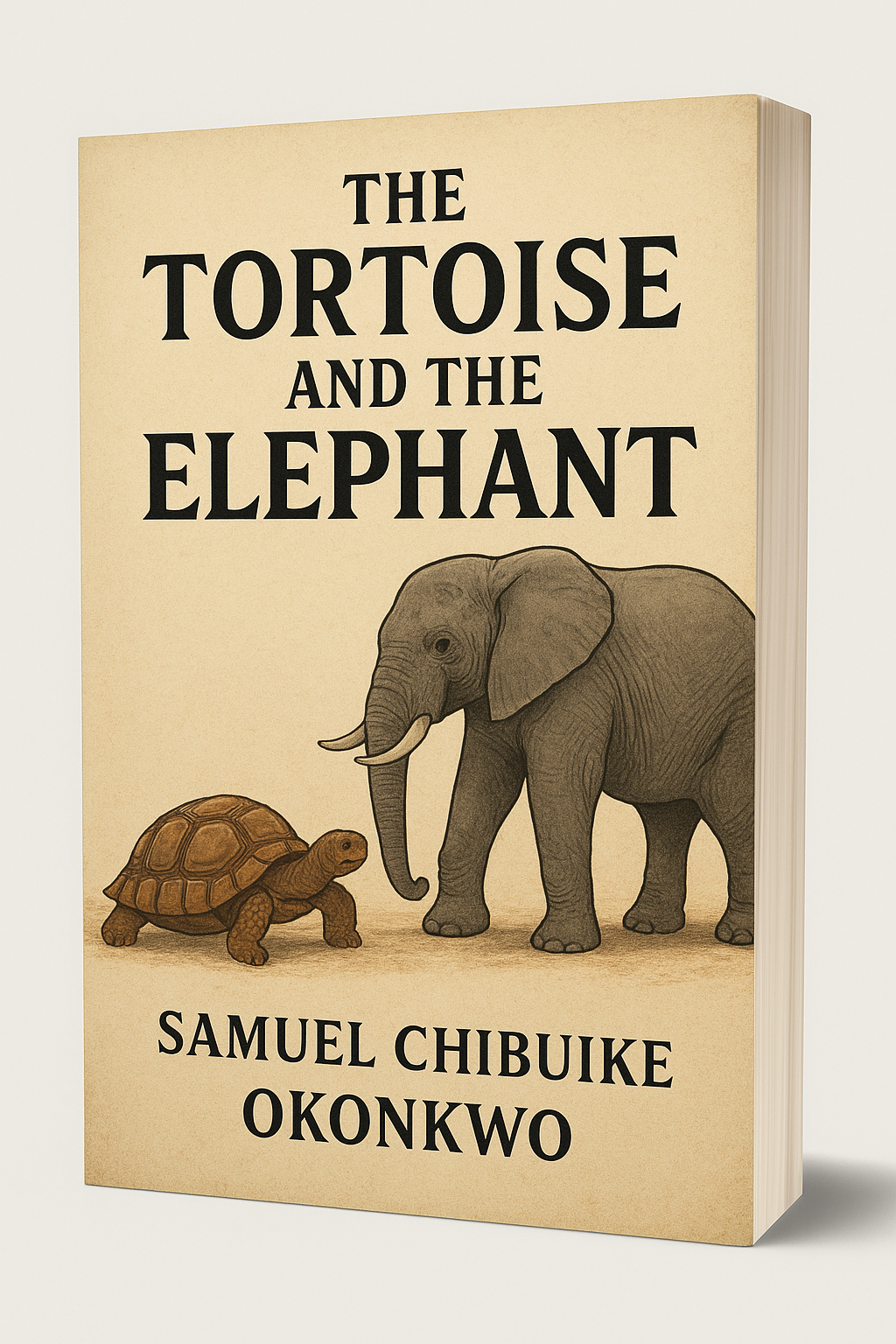
    You may love to read Animal story with lessons THE TORTOISE AND THE ELEPHANT

🎭TREASURE

A Play About Love, Pain, and Miracle


ACT ONE – THE STREET WHERE LOVE BEGAN

Scene 1 – A Busy Street

(People walking. Small shops open. Sound of car horns and traders calling customers. The afternoon sun shines softly. Nella stands near a fruit seller. She looks simple but naturally beautiful. She counts her change carefully.)

Narrator:
This is a small town.
Life moves fast here.
People hurry. Dreams rise and fall.
On this street, many pass without noticing each other.
But today, something special will begin.

(Richard enters carrying a small travel bag. He stops suddenly when he sees Nella.)

Richard (softly):
Wow… who is she?

(He watches her quietly, almost forgetting the world.)

Daniel (appearing behind him):
Richard! Why you standing like statue?

Richard:
Daniel… see that girl.

Daniel:
Which one?

Richard:
The one buying oranges.

Daniel (laughing):
Ahhh. Another crush?

Richard (serious):
No. This one feels different.

(Nella pays and begins to leave.)

Richard (quickly):
I must talk to her.

(He runs gently toward her.)

Richard:
Excuse me… please.

Nella (without looking at him):
Yes?

Richard:
My name is Richard.

Nella:
Okay.

Richard (smiling nervously):
Can I know your name?

Nella (cold):
Why?

Richard:
Because… I like to know beautiful names.

(She pauses briefly.)

Nella:
My name is Nella.

Richard:
Nella… nice name.

Nella:
Are we done?

(She walks away calmly.)

Daniel (laughing loudly):
She finish you!

Richard (watching her leave):
No… I just started.

(Lights fade slowly.)


ACT TWO – THE HARD CHASE

Scene 2 – Bus Stop

(Few days later. Nella waits quietly. Wind blows softly. Richard appears again.)

Nella:
You again?

Richard (smiling):
Yes. I told you I just started.

Nella:
Why you following me?

Richard:
I am not following. I am finding.

Nella:
Finding what?

Richard:
My future wife.

(She looks at him in disbelief.)

Nella:
Please. I am not interested.

Richard:
I understand. But can we be friends?

Nella:
No.

(The bus arrives. She enters. Richard watches with determination.)

Richard (to himself):
Some journeys take time.


Scene 3 – Rainy Evening

(Rain pours. Nella stands under a small shop roof. Richard runs in, soaked.)

Richard:
Good evening.

Nella (shocked):
You again? Is this magic?

Richard:
Maybe destiny.

Nella:
Why are you so stubborn?

Richard:
Because my heart refuses to give up.

(She almost smiles.)

Nella:
Go home. You will catch cold.

Richard:
If you smile once, I will go.

(She tries not to smile but fails slightly.)

Nella:
You are childish.

Richard:
Maybe. But I am serious about you.

(Long silence as rain slows.)

Nella (softly):
Why me?

Richard:
Because when I see you, my heart becomes calm.

(She looks at him differently for the first time.)

Nella:
I don’t trust men.

Richard:
I am not all men. Give me chance to prove it.

(Long pause.)

Nella:
We can try friendship. Only friendship.

Richard (excited):
That is more than enough.

(Lights fade.)


ACT THREE – LOVE GROWS

Scene 4 – Park Bench

(They sit together. Calm atmosphere.)

Richard:
So what makes you happy?

Nella:
Peace. Silence. Books. Simple things.

Richard:
I like your silence. It feels safe.

Nella:
You talk too much.

Richard:
I talk because you don’t.

(She laughs freely for first time.)

Narrator:
Days passed.
Weeks passed.
Friendship turned into comfort.
Comfort turned into love.


Scene 5 – Night Walk

(Street lights glow softly.)

Richard:
Nella… I love you.

(She freezes.)

Nella:
Richard…

Richard:
I mean it. I want future with you.

Nella:
Love is dangerous.

Richard:
So is breathing. But we still breathe.

(Tears gather in her eyes.)

Nella:
I… I love you too.

(They hold hands gently.)


ACT FOUR – THE WEDDING

Scene 6 – Small Church

(Soft music. Friends smiling.)

Pastor John:
Do you Richard take Nella as your wife?

Richard:
Yes. I do. With all my heart.

Pastor:
Do you Nella take Richard as your husband?

Nella (smiling warmly):
Yes. I do.

Pastor:
You may kiss.

(Cheers and clapping.)


ACT FIVE – THE PAIN AFTER MARRIAGE

Scene 7 – One Year Later

(Living room. Quiet tension.)

Richard:
Still no baby.

Nella:
Richard please…

Richard:
It has been one year.

Nella:
Let’s be patient.

Richard:
My mother keeps asking questions.

Nella:
And you? Are you also questioning me?

(Silence.)


Scene 8 – Two Years Later

(Argument grows deeper.)

Richard:
Maybe… maybe we made mistake.

Nella (hurt):
What do you mean?

Richard:
Maybe we should separate.

(Nella trembles.)

Nella:
You want divorce?

Richard:
I want a child!

(Silence fills the room.)

Nella:
You deserve the truth.


ACT SIX – THE SECRET

Scene 9 – Confession Night

(Lights dim. Heavy atmosphere.)

Nella:
Before I met you… something terrible happened.

(She struggles.)

Nella:
Some men attacked me. I fought. I cried. Nobody came.

(Richard stands in shock.)

Nella:
Months later… I discovered I was pregnant.

Richard:
Oh God…

Nella:
I was young. I was afraid. I ended it secretly.

Richard:
You almost died?

Nella (crying):
Yes. The doctor said my womb was damaged.

(Silence.)

Nella:
That is why I pushed you away. I felt broken inside.

(Long pause.)

Richard (softly):
You suffered alone.

Nella:
If you want to leave… I will understand.

(Richard walks closer.)

Richard:
No. I married you. Not your past.

(He holds her gently.)

Richard:
We fight this together.

Narrator:
Truth hurts.
But truth also heals.


ACT SEVEN – HOPE RETURNS

Scene 10 – Hospital Visit

Doctor Amina:
We will run tests carefully.

Richard:
Please doctor, give us hope.

Doctor:
Medicine is advanced. And sometimes, miracles happen.


Scene 11 – Months Later

(Nella holding pregnancy test.)

Nella:
Richard!

(He rushes in.)

Richard:
What happened?

Nella (shaking):
Look.

(He reads. Silence.)

Richard:
Positive?

(She nods.)

(He lifts her with joy.)


Scene 12 – Confirmation

Doctor Amina:
Congratulations. Everything looks healthy.

(Nella whispers prayer.)


ACT EIGHT – THE MIRACLE CHILD

Scene 13 – Delivery Room

(Nella in labor.)

Richard:
You are strong.

(Baby cries.)

Nurse:
It’s a boy!

(Richard cries openly.)


Scene 14 – Naming Ceremony

Pastor John:
What is his name?

Nella (smiling at Richard):
Treasure.

Richard:
Because he is our treasure.

(Cheers.)


FINAL SCENE – LESSON OF LOVE

Narrator:
Love is not always easy.
Sometimes it carries pain.
Sometimes it hides secrets.
But forgiveness brings healing.
Patience brings miracles.

Richard:
I almost lost my wife because I did not know her pain.

Nella:
I almost lost my husband because I was afraid of truth.

Both:
Love is stronger than shame.

(Lights fade slowly.)


MORAL LESSONS
Life often presents us with challenges that teach us invaluable lessons. It is through these experiences that we grow, understand empathy, and learn the importance of compassion towards ourselves and others. By reflecting on our actions and their impacts, we cultivate a deeper appreciation for the interconnectedness of our journeys. In embracing these moral lessons, we foster resilience and kindness in both our own lives and those around us.

Never judge without knowing truth.

Forgiveness heals.

Love needs patience.

Secrets can hurt, but truth sets free.

Miracles still happen.

For more stories of resilience, read Blood Found Its Way Home.”

Never To Say Goodbye

Synopsis

Never To Say Goodbye is a moving African narrative about love, loss, faith, and destiny. Set in the peaceful community of Kafue Plains, the story follows Diallo, a devoted husband and father who mysteriously disappears on the very day his son is born. Left behind, Thandiwe who raised their child with courage, shielding him from a painful truth. Years later, through a child’s divine wisdom and unwavering faith, a miracle unfolds—revealing that goodbyes are not always final, and hope never truly dies.


Story Body

Diallo lived a life many admired in the quiet African community of Kafue Plains, a land of red earth, tall grasses, and warm human bonds. He was known as a hardworking man—honest, disciplined, and deeply rooted in family values. His laughter echoed easily, and his presence brought calm wherever he went.

When he married Thandiwe, the village celebrated as though a long-awaited promise had been fulfilled. Thandiwe was gentle yet strong, a woman whose eyes carried both kindness and depth. Together, they built a modest home filled with hope, dreams, and whispered prayers for the future.

Their joy multiplied when Thandiwe became pregnant.

The pregnancy passed peacefully, and on a quiet afternoon, with the help of the village midwife, Thandiwe delivered a healthy baby boy at home. The cries of new life filled the house, announcing the arrival of a son who would carry Diallo’s name and blood.

But Diallo was not there to hear that cry.

On that same evening, as the sun dipped low and painted the sky in gold, Diallo closed from work and began the familiar walk home. His heart was light. He was finally going to meet his son.

He never made it home.

Somewhere along the narrow footpath between the fields and the village, Diallo was seized. Hands grabbed him from behind. A cloth was forced over his eyes. Voices—strange, hurried, and cruel—whispered commands. He was dragged away into the unknown.

That was the last time Diallo was seen.


The news struck Thandiwe like lightning.

Days passed. Then weeks. The village searched. Elders questioned travelers. Prayers were said at dawn and dusk. But Diallo did not return.

Thandiwe’s tears soaked her pillow every night, yet when she held her newborn son, she swallowed her pain. She named the boy Amari, meaning strength, because strength was what she needed to survive.

As Amari grew, questions followed.

“Mother,” he would ask, his eyes innocent and searching, “where is my father?”

Each time, Thandiwe smiled through invisible cracks in her heart and replied softly,
“Your father traveled. He will surely return one day.”

It became her shield—and her wound.

Diallo’s mother, the boy’s grandmother, was kind beyond words. She treated Thandiwe not as a daughter-in-law but as a daughter of her own blood. Yet kindness, no matter how sincere, could not fill the space Diallo had left behind.


One evening, when the weight of silence became unbearable, Thandiwe stepped behind the house. The sun was setting slowly, its golden light stretching across the land like a farewell.

She looked up at the sky.

And she wept.

Her cries were deep, raw, and unrestrained. Tears wrapped around her like a river with no end. She spoke to the wind, to the earth, to God—asking questions with no answers.

Unbeknownst to her, Amari had followed.

Now eight years old, the boy stood quietly, watching his mother cry in a way he had never seen before. His young face showed no fear—only understanding far beyond his age.

“Mama,” he called gently.

Thandiwe turned quickly, wiping her tears.

“My son,” she said, forcing a smile, “what are you doing here?”

She knelt before him and took his hands.

“Amari,” she whispered, “I want to tell you something.”

The boy looked at her calmly.

“Mother,” he said, his voice slow but clear, “I already know why you were crying. And I know where my father is.”

Thandiwe froze.

She cleaned her tears again, disbelief flooding her face.

“I am all ears,” she said shakily. “What has divine wisdom pushed you to say?”

Amari took a deep breath.

Then, in a still, audible voice, he said:

“Never to say goodbye.
My father is still alive.
And I will surely see him again.”

The words hung in the air like prophecy.

And then—

Footsteps.

Thandiwe turned.

There, walking through the gate, thinner but alive, stood Diallo.

For a moment, time stopped.

Then screams of shock turned into cries of joy. Neighbors gathered. The grandmother collapsed in praise. Amari stood still, his eyes fixed on the man he had never seen—but always known.

Diallo fell to his knees.

He told them everything.

First, he explained how his captors blindfolded him and dragged him away without warning.
He explained that they kept him in a secluded area, fully isolating him from the outside world. Strangers provided his meals, watched over him day and night, and ensured he remained hidden from anyone searching for him.

The real story later came to light. His uncle had planned everything after secretly discovering gold beneath Diallo’s land and wanted him permanently removed.

But fate had other plans.

By grace and endurance, Diallo survived. And one day, he escaped.

Faith smiled on him.

That night, the village celebrated—not just a man’s return, but the triumph of hope over despair.

Some goodbyes, after all, are never meant to last.

Also read…His-Last-breath


Summary

Never To Say Goodbye is a heartfelt African short story about disappearance, motherhood, faith, and reunion. Through Thandiwe’s pain, Amari’s divine wisdom, and Diallo’s miraculous return, the story reminds readers that hope can survive even the longest silence—and that destiny often finds a way home.

Watch out for ”The Rise of Amari”.

Embers of First Choice

A narrated coming‑of‑age story


Chapter One: Before the Flame

Listen gently, dear reader, for this is not a tale of shock but of truth; not of scandal but of becoming. It is the story of a young woman who stood at the quiet border between who she had been and who she would choose to be.

Her name was Amara, and she was twenty‑one years old—old enough to carry her own keys, old enough to know the weight of decisions, old enough to learn that innocence does not vanish in a single night. It only changes its clothes.

Amara grew up in a house where values were spoken carefully, like china brought out only on special days. Her mother believed in patience. Her father believed in discipline. Love, in that house, was steady and respectful, but rarely discussed in words that reached the heart’s hidden rooms.

From an early age, Amara learned to be careful.

Careful with her dreams. Careful with her emotions. Careful with her body.

She was praised for her restraint, admired for her focus, trusted for her boundaries. Friends called her “the good one,” as if goodness were a box she had promised never to open.

Yet inside her lived questions—quiet, glowing questions that waited like embers under ash.

What does it mean to choose for yourself? What does it mean to give, not because you are pressured, but because you are ready?

Amara carried these questions with her into adulthood, into university halls and late‑night libraries, into friendships that buzzed with laughter and whispered confessions.

And then she met Ethan.


Chapter Two: The Warmth of Nearness

Ethan did not arrive like a storm. He arrived like warmth.

He listened more than he spoke. He noticed the pauses between Amara’s sentences, the way she tucked her hair behind her ear when thinking, the care with which she chose words. He did not rush her; he did not chase. He stayed.

Their conversations began innocently—books, music, future plans—but slowly, gently, they widened. They spoke of fear. Of expectations. Of the quiet pressure placed on young adults to be perfect while still discovering themselves.

With Ethan, Amara did not feel watched. She felt seen.

Their closeness grew not from urgency, but from trust. Hands brushed. Smiles lingered. Silence became comfortable.

Still, Amara guarded herself. She knew what people said. She knew the stories told in sharp voices and softer warnings. She knew how quickly a woman’s worth could be measured by choices made in private moments.

Yet she also knew something else: her body was not a rumor. It was her own.

And choice, she was learning, is not recklessness when it is honest.


Chapter Three: The Night of Decision

The night did not arrive loudly.

There was no dramatic music, no reckless rush. Only a quiet evening, shared laughter, and a long conversation that drifted into truth.

Amara spoke first.

She spoke of her fears—of disappointment, of judgment, of crossing a line she could not uncross.

Ethan did not interrupt. He did not persuade. He did not promise anything he could not keep.

He said only this: “Whatever you choose should feel like your own voice, not an echo of someone else’s.”

In that moment, Amara understood something important.

Virginity, she realized, was not a fragile object that shattered. It was a chapter—one that could be closed with care or torn out in fear.

When she chose, she did so consciously, calmly, and without shame.

There was tenderness. There was nervousness. There was vulnerability. There was learning.

But above all, there was consent, respect, and presence.

When the night passed, Amara did not feel lost.

She felt awake.


Chapter Four: Morning Light and Heavy Thoughts

Morning arrived with questions.

Not regret—but reflection.

Amara walked alone later that day, letting the world continue as if nothing had changed. People laughed. Cars passed. Life went on.

Inside her, however, something had shifted.

She wondered how the world would see her if it knew. She wondered whether she was now less—or simply more aware.

The answers did not come immediately.

But slowly, as days turned into weeks, Amara noticed something unexpected: she had not lost herself.

She had gained clarity.

She became more honest in her relationships. Firmer in her boundaries. Kinder to her own mistakes. Less willing to live by borrowed expectations.

What she had given was not her worth.

What she had gained was ownership.


Chapter Five: The Flame That Stayed

Years later, Amara would look back on that season not as a fall, but as a crossing.

She would understand that womanhood is not defined by what is kept or given, but by how one lives afterward.

Her strength did not disappear.

It matured.

She learned to speak openly. To guide younger women without fear. To tell them this truth:

You are not ruined by choice. You are not pure by silence. You are powerful when you decide with wisdom and self‑respect.

Amara carried her story not as a secret, but as a torch—lit not by shame, but by understanding.

And wherever she walked, she walked whole.

Because the night did not take her light.

It revealed it.

The End

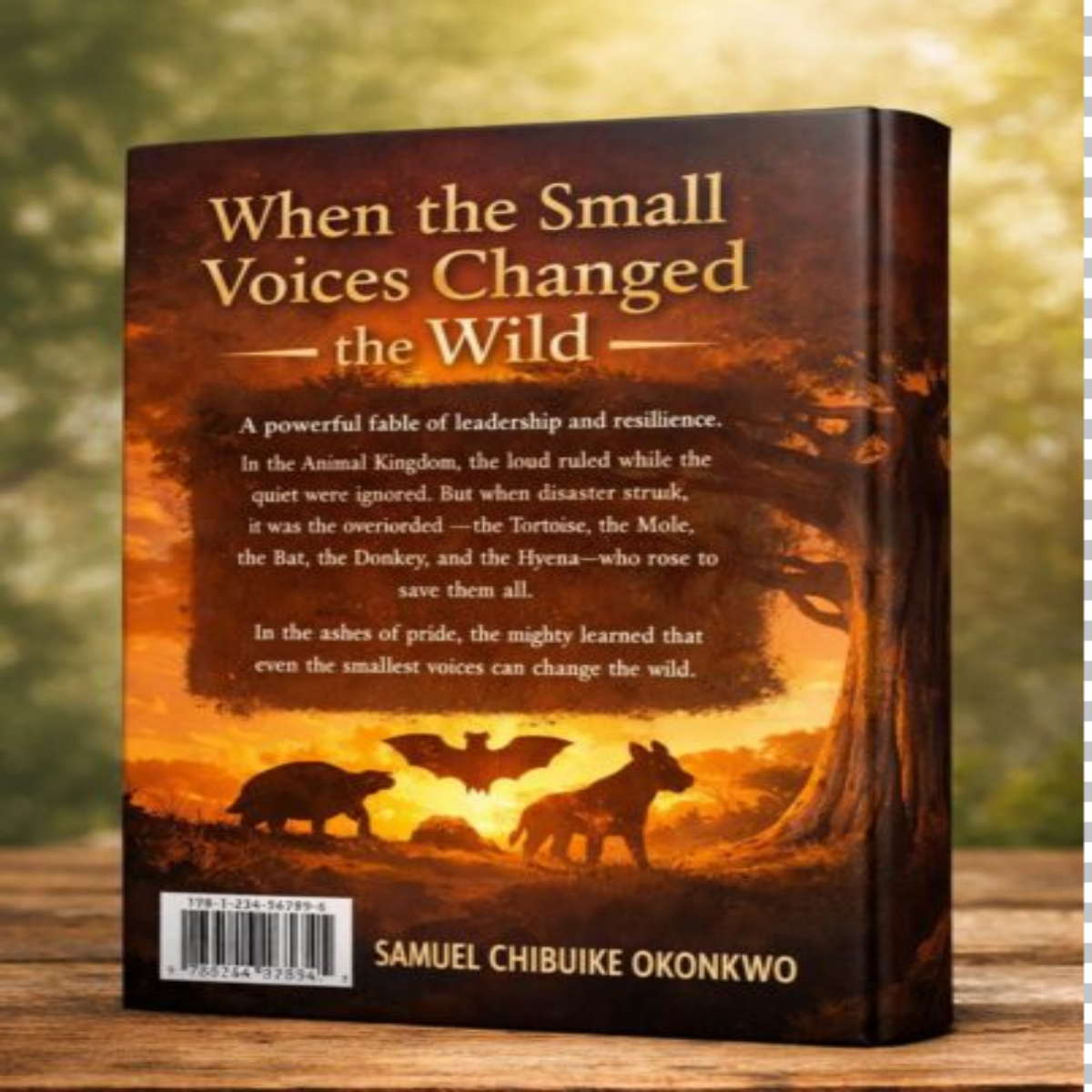
When the Small Voices Changed the Wild

How it began

When the Small Voices Changed the Wild is a powerful animal fable about leadership, inclusion, and hidden strength. In the Animal Kingdom, power is controlled by the loud and admired—lions, elephants, and eagles—while quieter creatures like the tortoise, mole, bat, donkey, and hyena are ignored and dismissed. When disaster strikes through drought and fire, the mighty fail, and it is the overlooked animals who step forward, using wisdom, patience, and resilience to save the kingdom. Humbled by the truth, the powerful finally listen, and the once-rejected rise to leadership. The story ends with a transformed kingdom that learns its survival depends on valuing every voice, proving that those ignored today can become tomorrow’s greatest strength.

Chapter One: The Kingdom of Loud Crowns

Listen closely, dear reader, and travel with me beyond cities and villages, beyond borders drawn by humans, into a vast land where rivers spoke to mountains and the wind carried memory. This was the Animal Kingdom—a place of beauty and struggle, order and pride, where every creature had a role, yet not every creature had a voice.

At the center of this kingdom stood the Great Plain, crowned by an ancient baobab tree older than any living animal could remember. Its trunk was wide enough to shelter a council of giants, and under its shade power was decided.

Every year, the animals gathered there for the Grand Assembly.

The Lion arrived first, mane glowing like fire, his roar silencing even the birds mid-song. The Leopard followed, swift and elegant. The Elephant came last, each step heavy with authority, memory, and law. Around them clustered the admired ones—the Stallion with polished muscles, the Peacock dressed like royalty, the Eagle whose wings claimed the sky.

Their voices filled the air.

They spoke of strength. They spoke of dominance. They spoke of tradition.

And as always, they chose themselves.

Far from the center, half-hidden by grass, shadow, and silence, stood others. The Tortoise leaned on patience instead of speed. The Mole wiped dirt from his eyes after another night underground. The Bat clung upside down, unseen and uncelebrated. The Donkey waited quietly, burdened but dependable. The Hyena stood apart, laughed at, feared, and misunderstood.

No one asked them to speak.

No one asked what they saw, what they knew, or what they carried inside.

The Assembly ended with cheers from the powerful and quiet footsteps from the ignored. As the sun sank low, the rejected animals drifted back to their corners of the kingdom carrying the same unspoken question year after year:

Does this kingdom even know we exist?

The land itself seemed to sigh.


Chapter Two: The Gathering of the Ignored

Night fell gently over the Animal Kingdom, and with darkness came truth. In the places the powerful never visited—burrows, caves, thickets, and forgotten paths—the ignored animals lived lives of quiet endurance.

It was the Tortoise who first spoke.

Not loudly. Not dramatically.

Just wisely.

“If we remain silent,” he said one evening as moonlight painted silver lines across the ground, “we will always be unseen. But if we listen to one another, we may yet save this land one day.”

One by one, the others gathered.

Mole emerged from the earth, carrying the smell of soil and secrets. “I know what lies beneath their thrones,” he said. “Weak tunnels. Cracked roots. The ground is not as strong as they think.”

Bat fluttered down, eyes sharp in darkness. “I see at night what others fear. When danger sleeps, I am awake.”

Donkey lowered his head. “They laugh at my slowness,” he said, “but when the load is heavy, I am the one they call.”

Hyena stepped forward, laughter gone, voice steady. “They call me ugly. They call me evil. But I know survival. I know hunger. I know how to rise when the world turns its back.”

They did not meet to plot revenge.

They met to prepare.

Because those who are ignored often see disasters before they arrive.


Chapter Three: The Fall of the Mighty

The disaster came without ceremony.

First, the rains failed.

The rivers shrank, then cracked, then disappeared into memory. Prey and predator crowded the same dry edges, tempers sharp as thorns. The Lion roared commands, but hunger does not listen. The Elephant remembered old paths, but they led only to dust.

Then came fire.

Flames raced across the savannah, faster than hooves, higher than wings. Smoke choked the sky. Panic broke the kingdom’s order in a single night.

The proud scattered.

The strong became confused.

And the ignored stepped forward.

Mole led animals through underground passages hidden from flame. Bat guided lost herds through the smoke using sound and instinct. Donkey carried the young, the injured, and the weak without complaint. Tortoise stood firm, directing traffic with calm wisdom when speed failed. Hyena gathered the terrified, turning fear into movement, chaos into survival.

By dawn, the fire had passed.

The kingdom still stood.

But its pride lay in ashes.


Chapter Four: The Great Reckoning

Under the baobab, the survivors gathered again—this time in silence.

The Lion’s mane was scorched. The Peacock’s feathers were dull. The Eagle’s wings trembled from smoke. The Elephant knelt.

Then something unheard of happened.

The Lion spoke softly.

“We were loud,” he said. “But we were not wise.”

One by one, the mighty stepped aside.

They called the Tortoise forward. The Mole. The Bat. The Donkey. The Hyena.

Not to mock them.

But to listen.

Truth filled the clearing like rain after drought.


Chapter Five: The Victory of the Overlooked

From that day forward, the Animal Kingdom changed.

Leadership was shared. Councils widened. Paths once ignored became roads of honor. The rejected animals did not rule by force—they ruled by balance.

Tortoise became Keeper of Time. Mole, Guardian of Foundations. Bat, Watcher of the Night. Donkey, Bearer of the Burden. Hyena, Voice of Survival.

They were no longer laughed at.

They were victorious.

And so, dear reader, remember this:

When the world ignores the quiet, the patient, the different—it risks losing everything. But when it listens, even the smallest voices can save the wild.

The End.

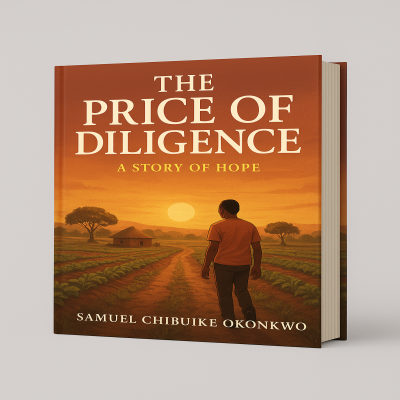
THE PRICE OF DILIGENCE

The price of diligence is high, but its reward is the kind of success that never fades.

Chapter 1

Ashes Before Dawn:

The first scream tore through the quiet village of Nkozo before the sun even thought of rising. It wasn’t a scream of fear—it was grief. Heavy, raw, and clawing through the air like a wounded thing. By the time the rooster crowed, half the village was already gathered in front of the round mud hut belonging to Mama Ireen, the mother of Tunde, the young man whose diligence had always been a thing of wonder.

But on this morning, diligence had no meaning. Hope had no meaning.
Nothing had meaning.

For Mama Ireen knelt in the dirt, her wrapper half–slipped from her shoulder, shaking uncontrollably as she clutched the lifeless body of her husband, Pa Olu, who lay cold as river stone in her arms.

Tunde stood still, unmoving—his breath shallow, his throat locked. His father’s silent form didn’t feel real. It felt like one of those nightmares the village elders warned young men about—dreams sent by wandering spirits to test their courage. But the weight in his chest reminded him this was no dream.

He swallowed hard, his eyes red but dry. Tears were too heavy to fall.

Ewooo! Olu is gone!” a woman wailed.
Another chest-beating cry followed.
Then another.
Soon the morning was no longer quiet. It was a storm of sorrow.

Tunde finally knelt beside his mother. His hands trembled as he placed them on Pa Olu’s chest. The skin was cold. Unnaturally cold. And that was when the truth began to seep in fully. His father, the strongest man he knew, the one who taught him how to fish in low tide seasons, how to thatch a roof with dignity, how to greet elders with respect—was gone.

Just like that.

The previous night replayed in his mind, sharp and unforgiving.
His father had complained of a strange pain in the chest. Something tight. Something burning. Mama Ireen had fetched herbs. The village healer, Baba Ekon, had been summoned. But the old man was treating another family across the river. He promised to come before dawn.

Dawn had come—but Pa Olu did not cross into it.

Tunde clenched his jaw as the distant hum of mourning voices carried across Nkozo. The village was built on low red soil, dotted with baobab and palm trees, with narrow pathways linking compound to compound. Smoke from cooking fires usually drifted lazily in the morning, but that day, the air held only the smoke of heartbreak.

Suddenly, a firm hand touched Tunde’s shoulder.

He turned to see Ayo, his childhood friend, who had run to the scene after the cries woke him.

“Tunde… my brother…” Ayo’s voice cracked. He had always looked up to Pa Olu too.

For a moment, neither spoke. They just knelt there—one grieving, one supporting.

Then the crowd parted as Baba Ekon hurried in, panting heavily, carrying his calabash bag of herbs. But his face shifted when he saw Pa Olu’s body.

He sighed deeply.
“I should have come sooner.”

Mama Ireen rose sharply, her eyes burning with despair and anger.

You should have come last night! My husband might still be alive!”

The healer bowed his head, shame covering him like a heavy cloth.

“I was too far, Mama Ireen. The river waters rose… the canoe master delayed…”

She slapped the ground in agony. “My husband died waiting! He died before your medicine arrived!”

Tunde placed a hand around her shoulder, pulling her close. He knew her pain needed a place to land—even if it was unfair.

Baba Ekon knelt beside Pa Olu, touched him gently, then whispered the traditional farewell chant.

“May your spirit walk in light… may your journey home be guided… may your feet find rest.”

The crowd echoed the chant in soft, trembling voices.

But as the ritual ended, something else began—quiet murmurs.
Conversations carried in low tones.

“What will happen to the farm now?”
“Who will repair the irrigation channels Pa Olu started?”
“And Tunde… he is barely a man. Will he manage alone?”

Though the words were whispered, Tunde heard every one.

He felt his mother’s body leaning weakly against him. She was a strong woman, one of the finest weavers in the region, but grief had carved through her strength.

“Tunde,” she whispered softly, “your father believed you would lead this household. You must not let the world swallow you.”

He nodded, though fear crawled up his spine.
The world felt too heavy for one man.

But he said nothing.


Later that day, the sun hovered high, casting long shadows as men prepared Pa Olu’s burial. The women gathered water, shaved their hair in mourning patterns, and sang dirges that pierced the heart.

Tunde stood by the mango tree near their compound, staring at the farmland that stretched behind the village. His father had poured thirty years into that soil—tilling, planting, harvesting, and teaching Tunde every skill he knew.

A soft rustling sound broke his thoughts.

Mama Ireen approached, her swollen eyes fixed on him.

“My son… look at me.”

He turned.

She placed her rough palms on his cheeks. “Your father died in pain, but he lived in diligence. You must stand where he stood. You must rise where he fell.”

“I don’t know if I can,” Tunde whispered. “It is too much.”

“You will,” she said firmly. “The world does not ask permission before testing you. It simply asks if you will break.”

She stepped back and forced a small, trembling smile. “And you, my son—you are not one who breaks.”

Her faith in him struck a deep chord.
Ayo joined them moments later.

“Let me help you with the farm, brother.”

Tunde inhaled sharply. “You have your own father’s work—”

“And today, you have none,” Ayo replied. “Let our strength become your strength.”

Those words planted something in Tunde—a spark.

Maybe he could rebuild.
Maybe he could rise.
But for now, the shadow of tragedy still clung to everything.


That night, after the burial, Tunde sat alone behind their hut. The moon hung low, wrapped in gray clouds. A cricket chirped nearby. Somewhere far off, a hyena laughed—mocking grief, mocking fragile humanity.

Tunde stared at his calloused hands.
The same hands his father guided when he was a boy learning to plant maize.
The same hands that had fed their family.
Now they felt empty.

But just as despair began to settle again, a gust of wind passed through the trees, and in it, Tunde almost heard his father’s voice.

“Diligence is the path. Rise, my son.”

He straightened slowly.

Maybe this was the beginning—painful, sharp, terrifying.

But beginnings often were.

And in the ashes of tragedy, the seeds of destiny were sometimes planted.

With a long breath, he whispered to the night sky:

“I will rise, Papa. I will carry your name. I will not fail.”

The moon slipped out of the clouds, shining on his face as if in approval.

The first ember of victory, still far away, flickered quietly in the darkness.

CHAPTER TWO

When the Soil Fights Back:

The first morning after Pa Olu’s burial was unsettlingly quiet. No mourners came. No footsteps shuffled on the red, dusty paths. No condolences lingered in the air. For Nkozo village, grief was communal, yes—but life never paused for long. People had farms to tend, goats to chase, water to fetch.

But for Tunde, life felt suspended in a strange haze.

He stood at the doorway of their round mud house as the sun climbed steadily. His mother was inside, preparing pap she hadn’t eaten. He knew she was moving only so he wouldn’t worry. The weight of the previous day still hung on both of them like a thick cloth.

Tunde inhaled sharply.
Today would be different.
Today he had to face the farm.

Ayo appeared moments later, carrying a hoe over his shoulder.

“My brother,” his friend greeted solemnly. “Are you ready?”

Tunde nodded, though his heart thudded painfully.

The farm lay on the eastern side of the village—a wide stretch of land that had fed the family for generations. To reach it, they walked through narrow paths lined with hibiscus bushes and old mango trees. Birds called out from branches. Dust rose gently with each step.

But Tunde’s mind was far away.

He remembered his father’s voice:
“The land does not reward laziness. You must greet it with sweat, and it will greet you with harvest.”

When they finally reached the field, Tunde stopped in place.

The land looked different without Pa Olu standing in the middle, hands on his hips, inspecting every corner. Now, the field seemed too wide. Too wild. Too demanding. The furrows were uneven, unfinished. The dry season winds had blown sand across some ridges, erasing the work his father had started.

Tunde’s throat tightened.

Ayo nudged him gently. “We start from the northern bed, the one your father was preparing.”

Tunde didn’t speak. Instead, he walked toward the plot and gripped his hoe. The familiar wooden handle felt heavier than usual. He raised it—and brought it down into the soil.

Thud.

Again.

Thud.

But the soil resisted him. It was hard, compacted from days without watering. Tunde’s arms strained. Sweat formed quickly on his forehead.

Ayo joined him. Together they dug. But the earth fought back, stubborn and unyielding.

Minutes stretched into hours.

By midday, Tunde’s muscles burned. His palms blistered. His shirt stuck to his skin with sweat. He wanted to stop. He wanted to scream. He wanted to throw the hoe and walk away.

At one point, he collapsed onto a wooden stool under the shade of a cashew tree. His breaths were sharp and uneven.

Ayo sat beside him.
“You’re pushing yourself too hard,” he said gently.

Tunde wiped his face. “If I don’t work hard, who will? If this farm dies, we die. Mama dies.”

“That is true,” Ayo said softly. “But breaking yourself won’t bring your father back either.”

Tunde looked away.

His father’s absence hung in the air, heavy and suffocating.


Later that afternoon, a group of village men passed by carrying baskets of cassava. One of them, Kola the fisherman, stopped and greeted them.

“Ah, Tunde,” he said, inspecting the half–prepared ridges. “Your father would be proud you came back to the land quickly.”

Tunde forced a small smile. Compliments felt strange on a heart that still bled.

“But,” Kola continued, “you have to be cautious. This season, the land has been strange. Many farms across the valley have refused to take water. Some ridges collapse the next day. Even the yams by the river are behaving like stubborn children.”

Another man nodded. “Yes, the soil is fighting everyone this year.”

Tunde frowned. “Why?”

They all shrugged.

Kola sighed. “No one knows. The elders think the spirits are unhappy. Baba Ekon thinks it’s the unusual wind patterns. But either way, farming has become war.”

Tunde’s heart sank further.

War.

That was what the land felt like—an enemy wearing the face of a friend.

The men offered a few encouraging words before continuing on their way.

Once they were gone, Ayo placed a hand on Tunde’s shoulder.

“You see? It’s not just you. The whole village is struggling. Don’t let your mind lie to you.”

But Tunde didn’t respond.

He stood up, gripped his hoe again, and resumed digging.

Thud. Thud. Thud.

Each strike felt like he was fighting for air.

After hours of battling the stubborn earth, Tunde finally dropped the hoe. His hands were shaking uncontrollably.

“I can’t do this,” he whispered to himself. “I can’t replace him.”

Ayo walked over quietly. “You don’t have to replace him. You only have to be you.”

Those words were meant to comfort, but Tunde felt them like a challenge he wasn’t sure he could meet.


As the sun began to set, casting long orange shadows across the land, Tunde and Ayo walked home. The village children ran about, chasing one another, unaware of the world’s burdens. Women carried firewood on their heads. Smoke rose gently from cooking huts. Drums played softly somewhere far off.

Life moved on with or without grief.

Mama Ireen sat in front of their house weaving a basket, but her hands were slower than usual.

“You are back,” she said softly.

Tunde nodded without lifting his eyes.

Her gaze drifted to the blisters on his palms. Her heart clenched, but she didn’t show it.

“Come,” she said. “Sit. Eat something.”

But Tunde barely tasted the food. His mind was weighed down by failure. By fear. By the soil that refused him.

He slept late that night, tossing and turning. When he finally drifted off, he dreamed of his father standing at the edge of the field.

“Tunde,” his father said calmly, “why do you fight the earth with fear?”

“I’m trying,” Tunde replied. “But the soil doesn’t listen.”

“It listens,” Pa Olu said, “but it listens to courage, not sorrow.”

Tunde reached for him, but his father slowly faded with the wind.

He woke up drenched in sweat.


The next day, before the sun rose, Tunde returned to the farm. Alone.

A cool breeze whispered through the trees. Dew glistened on the leaves. Birds called from branches, welcoming the morning.

He stood before the field, clutching the hoe.

“Courage,” he murmured. “I will try again.”

The first strike pierced the soil.
The second broke it open.
The third loosened the ridge.

Slowly, the earth began to give way—not easily, but steadily.

With every motion, Tunde felt his father’s teachings return.
He adjusted his posture.
He changed his grip.
He reminded himself of every small trick Pa Olu embedded in him over the years.

And the soil, once resisting, began to soften.

Hours later, Ayo arrived to find Tunde covered in dust—but smiling faintly.

“My brother!” Ayo exclaimed. “You started without me?”

Tunde nodded. “The land is slow, but it listens.”

Ayo burst into laughter. “Good! Then let the stubborn soil meet two stubborn men!”

Together they worked.
Together they fought.
Together they reclaimed the northern section of the field.

It was far from complete, but for the first time since his father’s death, Tunde felt something heavy lift from his chest.

He was not defeated.
Not yet.

He looked at the land with new eyes.

“This is only the beginning,” he whispered.

And somewhere above, the wind carried the faint echo of his father’s voice—approving, guiding.

The soil had fought back.
But Tunde was learning how to fight too.

CHAPTER THREE

The Burden of a Name:

Morning in Nkozo arrived with a gentle hush, the kind that often followed a night of heavy thinking. Tunde woke before the rooster crowed. He had barely slept—his mind churned with questions, fears, and the weight of a future he had not asked for. Yet the dawn brought a strange clarity to him. Today he would do more than work the soil. He needed guidance—real guidance.

But guidance in Nkozo came from few places, and one of them was the palace.

After washing his face with cold water from the clay pot outside the hut, he dressed quietly. His mother wasn’t awake yet. Her recent sorrow made sleep her only escape, and Tunde didn’t want to disturb that fragile peace. He stepped into the early light and headed toward the palace of Chief Oladeni, the elderly leader of Nkozo, a man respected for both wisdom and stubborn honesty.

Along the way, the village slowly stirred. Hens scratched the dusty ground. Smoke curled from cooking huts. Women tied their wrappers firmly as they fetched water. Men tightened their sandals as they prepared for the day’s work.

Tunde walked quickly, thoughts swirling.

My father left a legacy I’m not sure I can carry.
What if the land defeats me? What if I fail Mama?

The chief’s palace—an open courtyard surrounded by mud walls, with wooden carvings of ancestral stories—came into view. Two palace guards sat at the entrance, wide awake and alert.

“Ah, Tunde,” one of them greeted. “Why are you here this early?”

“I wish to speak to the chief.”

They exchanged glances before nodding. They knew of Pa Olu’s passing. Everyone did.

“You may enter.”

Tunde stepped into the courtyard where Chief Oladeni sat beneath a sprawling iroko tree. The chief was a man of calm presence and piercing eyes. He wore a simple cotton wrapper and leaned on a staff carved with the symbols of generations.

He looked up slowly.

“Tunde Olu,” the chief said in a voice as steady as river stone. “I knew you would come.”

Tunde bowed respectfully. “Good morning, father of the land.”

“Sit, my son. Grief has visited your home, and when grief visits, we must sit slowly.”

Tunde obeyed and sat on a low stool opposite the chief.

For a long moment, neither spoke. The wind rustled the leaves above them. A bird hopped across the courtyard. The land inhaled and exhaled around them.

Finally, the chief tapped the ground lightly with his staff.

“Tunde, your father was a man of diligence. The kind you don’t see often. He built respect with his hands, sweat, and honor.”

Tunde swallowed hard. “Yes, sir.”

“You look like a man carrying a mountain on his shoulders.”

“I feel like it,” Tunde whispered.

The chief leaned closer. “Tell me everything.”

And Tunde did.
He spoke of the soil refusing him.
He carried the crushing weight of expectations—the whispers that moved through the village faster than truth, the fear of failing his mother, and the nightmares that stole his rest. The farm demanded more than labor; it demanded endurance. And every morning, he woke with the memory of his father’s absence pressing on him like a stone that refused to lift.

When he finished, the chief closed his eyes for a moment.

“Tunde,” he began slowly, “you are not your father—but you carry his name.”

Tunde lowered his head. “And that name feels heavy, sir.”

Chief Oladeni nodded. “As it should. Good names are not feathers—they are stones polished by generations. But even stones, when embraced correctly, become pillars.”

Tunde looked up.

“You think the land is fighting you,” the chief continued, “but the land is only testing you. Nkozo’s soil has always tested the one who takes leadership of a household. Your father faced such seasons too.”

The chief then held his staff firmly. “Let me tell you a truth your father never shared.”

Tunde leaned closer.

“Before you were born,” the chief said, “your father nearly lost that farm. The soil dried. Crops failed. He came here just like you, thinking he had reached his end. But he rose because he embraced both humility and strength. That is how diligence is born.”

Tunde blinked in surprise. “He never told me.”

“Good men rarely boast of their battles. They simply rise.”

Silence hung between them—silence heavy with memory and meaning.

Chief Oladeni continued, “You cannot farm by strength alone. You must farm with wisdom. And wisdom begins with listening—not only to people, but to the land.”

Tunde frowned slightly. “Listening to the land?”

“Yes,” the chief said, his voice firm. “The soil has a voice. A stubborn one. When you force it, it resists you. But when you work with it, water it well, time your planting, and watch the winds—it will open itself to you.”

Tunde let the words sink in.
Perhaps diligence wasn’t just hard work.
Perhaps it was patience, strategy, and humility too.

“And one more thing,” the chief added. “You will not do this alone. Allow your friend Ayo to assist you. Allow the village to support you. Strength does not belong to one man; it belongs to a community.”

Tunde exhaled shakily. “I hear you, father of the land.”

The chief smiled. “Good. Then rise from your grief and begin your journey. You will stumble, but stumbling is not falling. Begin again.”

Tunde stood slowly, bowed, and felt something lighten inside him—not gone, but shifting.

As he turned to leave, the chief called out, “And Tunde…”

“Yes, sir?”

“Your diligence will be tested again. Harder than this. But if you endure, one day people will look to you the way they looked to your father.”

Tunde nodded. “I pray I am worthy.”

“You will be—if you keep rising.”


On his way home, the village seemed different. Or perhaps Tunde was the one changing. His steps were steadier. His breathing calmer.

But when he reached home, the stillness inside reminded him that grief was still living with them. Mama Ireen sat beside her weaving loom, staring blankly at the half–finished basket.

She looked up slowly.

“Tunde, where have you been?”

“To the chief,” he replied honestly.

She paused. “Why?”

“I needed wisdom.”

Her lips trembled. “And what wisdom did you find?”

“That diligence is not only about strength. It is also about humility… and community.”

She studied him for a moment. Then she nodded, a soft sorrow lingering behind gratitude.

“You are becoming a man quickly, my son.”

“Because the world is pushing me quickly.”

They shared a quiet moment—mother and son, wounded but rebuilding.


Later that afternoon, Ayo arrived carrying palm wine and roasted plantain.

“You didn’t tell me you went to see the chief!” he shouted playfully as he approached.

Tunde smirked. “You were still snoring when I left.”

“Ah! This boy!” Ayo laughed. “So what did the old man say?”

“That we must listen to the land.”

Ayo blinked. “Listen to the land? Does the soil speak?”

Tunde shrugged. “Maybe not with words. But with signs.”

Ayo grinned. “Then we must learn its language quickly.”

The boys ate together, speaking of plans—how they would rebuild the ridges, how they’d fetch water earlier, how they would time the planting with the winds. Their childish laughter returned for the first time in days.


But evening brought new challenges.

As they walked to inspect the southern plot, they noticed something strange.

The ridges they had shaped two days ago…
were collapsing.

At first, Tunde thought his eyes deceived him. But as he drew closer, his chest tightened.

The earth had sunk in several places. Loose soil had spilled over the mounds. Some furrows looked as though an animal had walked through them.

“What happened?” Ayo whispered.

Tunde knelt and ran his fingers over the soil. It wasn’t just wind damage. It was deeper.

Something—or someone—had tampered with the farm.

Suddenly Ayo’s face hardened. “Tunde… this wasn’t done by nature.”

“Then who?” Tunde whispered, anger flickering like sparks.

In the quiet evening air, far across the ridge, they heard faint footsteps.
Someone fled into the bushes.

The boys exchanged looks.

The land was not their only enemy.

Humans were too.

Tunde rose slowly, fists clenched.

“It seems the soil is not the only thing we must fight,” he said.

“But you will not fight alone,” Ayo replied firmly.

Tunde stared at the broken ridges, rage and determination entwining inside him.

The burden of his father’s name was heavier than he thought.
But he would carry it.

Even if the world fought him from all sides.

CHAPTER FOUR

The Silent Saboteur:

The next morning tasted of unease. Even before the sun stretched its rays across Nkozo, Tunde’s chest felt tight with suspicion. He had barely slept, replaying the footsteps he and Ayo heard the previous evening—the shadow slipping away into the bushes, quick and guilty.

Who would sabotage his father’s farm?
Why would anyone target him at his lowest?

The questions gnawed at him.

As he stepped outside, he found Mama Ireen already awake, sweeping the compound with slow, rhythmic motions. The broom’s bristles scraped softly against the red earth.

“You are up early,” she said quietly.

“So are you,” he replied.

She paused. “Grief rarely lets one sleep.”

Tunde nodded. “I’m going to the farm.”

She studied him—hard, motherly, knowing. “Your eyes look troubled.”

“There is… something I need to check.”

She didn’t push him. Mothers often know when silence speaks louder than explanations.

“Go well,” she whispered.


On the farm, the damage looked worse under the morning light.

Ridges that had been perfectly shaped were now sunken. Loose soil had spilled like someone had kicked through them deliberately. And near the edge of the field, footprints led into the bush—footprints too large to belong to children.

Ayo arrived minutes later, panting.
“Tunde! I told my father what happened. He said we should be careful. He also said—”

He stopped mid-sentence when he saw the footprints.

“Ah! Someone did this intentionally!”

Tunde said nothing, his jaw tightening.

“For what reason?” Ayo asked. “Who benefits if your farm collapses?”

Tunde clenched his fists. “Someone who wants us to fail. Someone who thinks diligence is weakness.”

They surveyed the damaged area carefully. Tunde knelt and examined the depth of the footprints.

“This was done by a grown man,” he observed.

Ayo exhaled sharply. “Then we must tell the chief.”

Tunde shook his head. “Not yet. I want to know who first.”

“Why?”

“Because I don’t want to accuse the wrong person.”

Ayo frowned. “You are thinking too much.”

“I must,” Tunde replied firmly. “This farm is all we have. I cannot let fear or anger rule me.”

Ayo nodded reluctantly.

They began repairing the ridges—but something felt off. As they worked, Tunde kept glancing toward the bush line, half expecting someone to emerge.

But no one came.

Hours passed. Sweat poured. Muscles ached.

Still, the damage was too widespread. By afternoon they had only repaired half of it.

“We need help,” Ayo said at last.

Tunde knew he was right, but pride cornered him.

He looked over the field—his father’s pride, now shattered.
Asking for help felt like admitting defeat.

Ayo saw the hesitation and stepped closer. “Tunde, listen. Even your father—strong as he was—worked with men from the village when the planting season came. You cannot carry this alone.”

Tunde sighed heavily. “Then who do we ask?”

“I’ll speak to the men in my father’s compound. They liked your father. They will help.”

Tunde nodded slowly. “Thank you.”

But even with help on the way, his mind stayed fixed on the saboteur.

Someone wanted them to fail.
Someone had come in the dark.
Someone was watching.


By evening, several men from the village arrived with hoes, cutlasses, and calabashes of water.

“Ah, Tunde!” one of them said warmly. “Your father was a brother to us. We cannot let his land die.”

Another clapped him on the back. “Show us where to begin.”

Their presence lifted something heavy off Tunde’s chest. For the first time in days, he felt the power of community. The field buzzed with energy—men digging, shaping, carrying water, cracking jokes. Even in hardship, laughter found a way.

Ayo worked with renewed vigor.
The land gradually regained its shape.

But as they worked, one of the older men—Bolu, known for his sharp tongue—called out suddenly:

“Hmm! Look at this!”

Everyone turned.

He was holding up a broken piece of cloth, snagged on the thorny branches near the bush line.

It was dark blue. Thick. Familiar.

Tunde’s stomach tightened.
He knew that fabric.

It belonged to Boma.

Boma—the village carpenter’s son, raised among sawdust and unspoken expectations.
Boma—forever measuring himself against Tunde, allowing comparison to harden into quiet rivalry.
Boma—who nursed a private resentment toward Pa Olu for choosing Tunde as the heir to his farmland wisdom and ancestral knowledge.
Boma—who once spat his bitterness at Tunde: “You think you’re better than the rest of us because your father was skilled.”

Bolu waved the cloth. “It seems a careless thief passed here.”

Ayo turned to Tunde slowly.

“Tunde… is it who I think it is?”

Tunde’s lips pressed into a thin line. “We will go to Boma’s house tonight.”


Nightfall in Nkozo brought a humid silence. Crickets chirped. Palm trees rustled. Fires glowed inside family compounds. Children had long retired.

Tunde and Ayo walked quietly toward the carpenter’s compound.

As they approached, they saw Boma sitting outside sharpening a blade under the moonlight. He looked up as the boys arrived—first confused, then suspicious.

“What do you want?”

Tunde stepped forward. “We found something on my farm.”

Boma’s eyes flickered nervously—just for a heartbeat—but Tunde saw it.

“What concern of mine is your farm?” Boma snapped.

Ayo pulled out the torn cloth piece and held it up.

“This was found near the broken ridges.”

Boma’s eyes widened before he quickly forced a scowl. “That could belong to anyone.”

“No,” Tunde said calmly. “Only you have a wrapper made from this fabric. Everyone knows it.”

Silence stretched between them.
A long, tense silence.

Finally, Boma dropped the blade. His shoulders sagged, and his voice cracked.

“So what if it’s mine?”

Ayo’s fists tightened. “So you admit it!”

Boma glared. “What if I do? What will you do—fight me?”

Tunde stepped closer, anger simmering—but he kept his voice steady.

“Why, Boma? My father just died. My family is struggling. Why would you add this to our grief?”

Boma’s jaw clenched. Then, unexpectedly, his eyes softened—hurt, jealousy, and frustration swirling inside.

“Because,” he said bitterly, “your father was praised for everything. People compared me to you. They said, ‘Why can’t you be diligent like Olu’s son?’ They mocked my work. And when your father died, people said you would take his place. I couldn’t stand it.”

Ayo spit on the ground. “So you decided to destroy their farm?”

Boma turned away, shame creeping across his expression. “I wanted to prove that you’re not as strong as they think. That without your father, you would fail.”

The confession stung deeper than Tunde expected. Betrayal always felt sharper when it came from someone you once broke bread with.

But Tunde inhaled slowly. The chief’s words echoed in his mind:

Strength is not only in your hands—it is in your restraint.

He stepped back. “Boma… you didn’t only attack me. You attacked my mother. You attacked our survival.”

Boma bowed his head.

Tunde continued, “But I will not fight you. I will not drag you to the chief. Your heart will judge you more harshly than any punishment.”

Ayo turned sharply. “Tunde, are you mad? He destroyed your father’s work!”

Tunde raised a hand. “His guilt will destroy him more than anything we do. Let him carry the shame he has created.”

Boma’s eyes widened. In that moment, mercy felt like a heavier blow than revenge.

Without another word, Tunde and Ayo walked away.

Behind them, Boma sank to the ground, covering his face.


Back home, Ayo confronted Tunde fiercely.

“You should have reported him! You should have let the village punish him!”

Tunde sat on a wooden stool, exhausted.

“Revenge will not fix our farm,” he said quietly. “But focus will.”

Ayo paced angrily. “Still—”

“Ayo,” Tunde said gently, “we cannot plant anger and expect to harvest peace.”

Ayo stopped, processing the words.

“We rebuild tomorrow at dawn,” Tunde added. “That is all that matters.”

Ayo exhaled, finally calmer. “You are becoming too wise for your age.”

“Maybe grief trains the mind faster,” Tunde murmured.


Later that night, as the moon cast soft light on the village, Tunde sat outside, listening to the wind whisper through the trees.

He thought about Boma.
About envy.
About how easily bitterness destroys.
He thought about diligence—not as work alone but as character, patience, and restraint.

The saboteur had been exposed.
The first true battle was behind him.

But the journey was far from over.

Victory still lived somewhere far ahead.

And tomorrow, the soil would test him again.

CHAPTER FIVE

THE TRIUMPH OF SHINING HANDS

The sun rose with a strange brightness that morning—too golden, too alive, almost as though the heavens themselves waited for something to unfold in Mba River Village. A breeze swept through the compound of Nna Ekwenugo and carried with it the faint scent of hope, that elusive fragrance the family had not breathed in years.

Inside the compound, old Nna Ekwenugo struggled to sit upright on the bamboo bed outside his hut. His illness still clung to him like an unwelcome shadow, but something had shifted. His breathing was less heavy. The tightness around his chest had loosened. He looked stronger, not healed, but steadier than before.

The villagers whispered among themselves.
“Is this not the same man who was dying last week?”
“Has his son performed wonders?”
“What power did Uzoma bring back from the city?”

But the truth was simpler, purer, and far more powerful.

It was diligence—unyielding, sacrificial diligence—that had brought the change.

Uzoma’s footsteps sounded behind his father. “Papa, how are you?” he asked softly.

Nna Ekwenugo smiled, a slow, tired smile that ached with emotion.
“My son… you have done what I never dreamed possible.” His voice trembled. “You left with nothing but determination. And you returned with medicine, food, and life.”

But Uzoma shook his head slowly. “I have not yet done enough, Papa. The struggle is not over.”

THE GATHERING STORM

By the third week after Uzoma’s return, the village experienced something it had not witnessed in years—a severe drought. The river shrank until its banks cracked open like old wounds. Farms dried up prematurely. The yam leaves curled in thirst. Even the great palm trees standing at the edge of the village bowed their heads under the weight of the scorching heat.

The people panicked.

For Mba River Village depended on the river for everything—for cooking, drinking, washing, farming, survival. Without water, what hope did they have?

The elders gathered and shook their heads sorrowfully.
“Our fathers never saw such heat,” one lamented.
“Even the spirits seem angry,” another muttered.

Uzoma stood outside the circle, his hands folded behind him. He listened. Observed. Calculated. The storm approaching was not one of rain—it was one of hunger, fear, and collapse. And he knew that his father’s health would not survive the consequences.

That evening, as darkness crept slowly across the village, Uzoma made a decision that would once again test the full weight of his diligence.

He gathered a few young men—strong, able-bodied, and trusted.

“My brothers,” he began, “we are in trouble. If the river dries completely, the entire village may perish. But there is a spring in the forest of Obodo-Nta. My mother told me of it before she died. A hidden water source. If we can reach it, we can dig trenches and divert part of it back to the river.”

The young men exchanged uneasy glances.

“Obodo-Nta?” one whispered in fear.
“That forest is dangerous,” another protested.
“People who wander too far do not return.”

Uzoma nodded. “I know. But diligence has a price. And sometimes, the price is courage.”

THE DARING JOURNEY

Before dawn the next morning, Uzoma and the young men armed themselves with machetes, ropes, digging tools and a clay pot for water collection. The villagers watched them with wide eyes as they headed into the heart of the forest.

The forest of Obodo-Nta was alive with ancient sounds—rustling leaves, distant howls, the chattering of unseen creatures. The air was thick, humid, and heavy with the scent of moss and forgotten secrets. But Uzoma kept moving, guided only by his mother’s stories and the conviction that diligence without action was merely a dream.

They hacked through vines that clung to their ankles and fought against thorny branches that tore at their skin. Several times they paused, panting, sweating, trembling—but Uzoma would not stop. The others followed because they saw something in his eyes that even fear could not conquer.

After hours deep inside the forest, they reached a steep slope covered with massive stones. The earth beneath shook faintly with each step. Something roared in the distance—a thunderous, rumbling noise like a great beast stirring.

“What is that sound?” one of the young men whispered.

Uzoma’s heart pounded. But then he recognized it—the powerful surge of underground water moving with force.

They climbed the slope, gripping roots and stones until their fingers bled. At the top, a sight of unimaginable beauty stretched before them.

A hidden spring.

Water gushed from a crack in the mountain, flowing in clear, sparkling torrents that danced over rocks and disappeared into the belly of the earth.

The young men gasped. Uzoma fell to his knees.

“This,” he whispered, “is our salvation.”

THE WORK OF RESTORATION

Finding the spring was only the beginning.

They needed to dig, shape trenches, and redirect part of the flow toward the dying river. It was labor that demanded strength beyond muscle—strength of spirit, patience, and unity.

Day after day they returned.
Under the relentless tropical sun, they labored tirelessly—digging deep into unforgiving soil. With bare hands and simple tools, they carved water channels through hardened earth, lifting heavy stones, logs, and clay to build a stronger foundation for the community. Hour after hour, their work continued until thick calluses formed and aching backs cried out in pain, a powerful testament to resilience, sacrifice, and human endurance.

Villagers soon joined when they saw what Uzoma was doing. Even children helped carry small buckets of water. Women cooked for the workers. Elders offered blessings. The entire village became a living testament to collective diligence.

Slowly—first in trickles, then in flowing strands—the diverted water began returning to the river.

One morning, a shout tore through the village.

“Water! Water is coming back!”

People rushed toward the riverbank where a growing stream of fresh water flowed into the river like a miracle. The villagers cried, laughed, danced, and hugged one another.

And Uzoma stood in the crowd, hands muddy, face dusty, heart full.

He had paid the price of diligence.
And now, the harvest was beginning.

THE FATHER’S REDEMPTION

As the river revived, so did Nna Ekwenugo.

His fever subsided. His breathing stabilized. He could walk again—slowly, but with a strength that surprised even the elders. People said the restored river must have restored him as well.

One warm evening, as the sun set behind the palm trees, Nna Ekwenugo gathered the villagers in front of his compound. The orange glow bathed the village in a gentle radiance, like a blessing.

He called Uzoma forward.

“My son,” he said, his voice filled with pride, “you have shown this village what true diligence means—not merely working hard, but standing firm in trials, sacrificing for others, and holding hope when all hope seems gone.”

Uzoma lowered his head humbly.

The old man turned to the villagers. “From today onward, Uzoma shall be recognized as Omeiheukwu—the one who brings solutions.”

A roar of applause thundered through the village.

Uzoma felt tears sting his eyes. He had never sought honor. Only purpose.

THE VICTORY

Months passed.

Rains returned, blessing the land with abundance.
Crops flourished again.
The village prospered.
And Uzoma, once a struggling boy overshadowed by poverty, became a leader who earned respect not by title but by action.

One night, as he sat by the river that now glowed peacefully under the moonlight, his father walked to him slowly and placed a hand on his shoulder.

“Uzoma,” he said, “you turned tragedy into triumph. You proved that diligence, though costly, always yields a powerful reward.”

Uzoma looked at the flowing river and breathed deeply, the cool night air filling his chest.

The tragedy that once threatened to destroy his family had indeed shaped him into the man he was meant to become.

The price of diligence was heavy.
But the victory was greater.

And Mba River Village would forever remember the young man who refused to give up—even when the world around him seemed determined to break.

You may also like to read Embers-of-first-choice

THE TORTOISE AND THE ELEPHANT

A TALE OF WITS AND WOUNDS

The elders say that before the sky shifted and before the rivers cut their paths, the animals still lived in one great valley where the sun warmed every back equally. In those days, Tortoise had not yet gained the hard reputation he now carries. He was not yet known as the “one-who-thinks-too-much.” He was simply Mbe, the slow creature who spent more time admiring flowers than worrying about the troubles of the world.

Elephant, on the other hand, was already Oke-Osisi, the great one who shook the ground when he walked. His steps were so heavy that the lizards hiding under stones would scramble for safety, worried the earth itself might crack.

Though the animals shared the same valley, their hearts were not equally matched. Elephant was strong—so strong that even his mistakes were forgiven simply because no creature wanted to anger him. Tortoise was weak—so weak that even his intelligence was dismissed as foolishness because he lacked the bigness others respected.

But life, as the elders say, is a pot of soup stirred by both strength and cunning.

And this is how the story begins.


**CHAPTER ONE

THE GREAT DROUGHT**

One season, without warning, the rains simply stopped.

The sky remained blue and empty. The clouds went away to sleep in distant lands. The wind lost its coolness. Day after day, the sun blazed mercilessly upon the valley. The rivers shrank, the grass yellowed, and the once-lively valley became a place where the sound of thirst replaced the sound of singing birds.

At first, the animals comforted themselves, saying, “Rain is only playing hide-and-seek. It will return.”

But weeks passed. Then months.

The small stream at the foot of the hill became a narrow ribbon of mud. The mighty river became a shallow trench where even frogs refused to sit.

Panic settled in.

The animals gathered at the meeting rock to speak about their survival. The elders among them—Leopard with his spotted wisdom, Buffalo with his deep voice, and Sparrow with her sharp tongue—took turns addressing the crowd.

“Something must be done,” Leopard said. “If we do nothing, we will shrivel like fallen leaves.”

But no one knew what that “something” should be.

That was when Elephant, swinging his massive trunk, trumpeted loudly, “I know what we should do! We must dig a great well. A well so deep it will reach where the hidden waters sleep.”

There were murmurs of agreement.

Elephant’s strength was unquestioned. If anyone could strike the earth and demand water, it was him.

And so the digging began.


**CHAPTER TWO

THE WELL OF HOPE**

At first, every animal offered help.

Even Tortoise, though he could barely lift sand with his tiny claws, came to push pebbles out of the way. Day after day, they dug—Elephant pulling out great heaps of soil, Buffalo stamping the ground to break it, and the smaller animals carrying the lighter dirt away.

But the sun showed no mercy.

After two weeks, the animals grew too exhausted to continue. One by one, larger animals began to withdraw from the task. Buffalo complained of aching hooves. Zebra claimed the dust irritated his stripes. Even Hyena, who boasted of his endurance, slunk away with excuses.

Only Elephant remained faithful.

Every morning, before the sun rose, Elephant returned to the digging site and continued the work. He dug until his massive body glistened with sweat. He dug until his trunk trembled. But still, no water.

And as Elephant tired, frustration turned to bitterness.

He would glare at passing animals, muttering, “They drink the water when it comes, but they do not work for it. I am the fool they are using.”

Word of his complaints spread.

The animals avoided him.

Only Tortoise continued visiting the well every few days, watching quietly as Elephant dug.

One afternoon, Elephant snapped at him.

“You small-shell creature,” Elephant snarled, slamming his foot against the dry soil. “Why do you come here? You cannot help me. You cannot dig. You cannot even fetch air properly.”

Tortoise swallowed his pride.

“I come because no one should labour alone,” he said softly.

Elephant laughed—a deep, booming laugh that rattled the branches overhead.

“You? Comfort me? Your voice is nothing. Your presence is nothing.”

Tortoise said nothing more. He simply turned and left slowly.

But he carried those words with him.

And they sat like stones inside his chest.


**CHAPTER THREE

THE DISCOVERY**

One night, long after the moon had risen, Elephant struck the ground with such force that the earth cracked—and from that crack emerged a cool, bubbling spring.

Water!

The well filled quickly. The animals, hearing the rumour, ran from all corners of the valley. They flocked like ants to spilled honey.

Elephant felt triumphant.

“They will now respect me,” he whispered to himself.

But as he looked at the crowd gathering around the well he had dug, something twisted inside him—a dark seed. He remembered how they left him to toil alone. How they only returned when water appeared.

As the first animal—Antelope—leaned forward to drink, Elephant slammed his trunk in front of him.

“No one drinks from this well unless I permit it!” Elephant declared. His voice thundered louder than a drum.

The animals froze.

“But Elephant,” Sparrow chirped nervously, “the water is for all of us. All of us will die without it.”

Elephant snorted.

“And when I needed help digging, where were you? When my muscles burned, who stayed with me? You all left me to struggle alone. Now you want to enjoy the fruit of my labour?”

Buffalo stepped forward. “Elephant, you are strong. Only you could have dug this far. We are grateful.”

“Your gratitude is nothing,” Elephant barked. “Pay tribute before you drink.”

The animals gasped.

“Tribute?” Leopard repeated, narrowing his eyes. “Since when did water become your private property?”

“Since my sweat filled this well,” Elephant replied. “Bring me food. Bring me fruits. Bring me whatever you have. Only then will you drink.”

Fear forced the animals to obey.

Every morning, they brought offerings. Elephant grew proud—and greedy. Soon, he demanded not only food but also praises spoken loudly before he allowed anyone to drink.

The valley became a place of thirst and humiliation.

Only Tortoise refused to approach the well.


**CHAPTER FOUR

THE INSULT THAT SPARKED A FIRE**

One evening, as Elephant stood beside the well enjoying a pile of ripe plantains offered by Monkey, Tortoise approached slowly.

Elephant squinted at him. “What do you want here? I thought you were too proud to bow before me like the others.”

Tortoise remained calm.

“I only came to offer congratulations. The valley would have perished without your strength.”

Elephant puffed up. “So you finally admit it. At last, you understand your smallness.”

Tortoise bowed slightly. “Strength has its place. And so does wisdom.”

Elephant’s eyes narrowed.

“Are you calling yourself wise, Tortoise?”

“I am calling myself nothing,” Tortoise replied. “But I know that even wells dug by strength can collapse without caution.”

The comment ignited Elephant’s anger.

He stomped forward, trunk raised.

“You dare speak of wells to me? You, who ran away when work was hard? You, who have done nothing but hide in your shell like a coward?”

Tortoise’s heart pounded, but he held his composure.

“I hide because my body is fragile,” he said. “But even fragile creatures survive when they use their head.”

Elephant burst into cruel laughter.

“Your head? Your head is only good for balancing that foolish shell.”

The animals nearby giggled.

Humiliation tightened Tortoise’s throat.

“But since you love your shell so much,” Elephant continued, “let me teach you a lesson. From today, you are forbidden to drink from this well. In fact, you must not come near it again.”

Tortoise stiffened.

“Elephant, even the smallest creature needs water.”

“Then go and find your own!” Elephant boomed. “Since you think you are so wise.”

Tortoise turned slowly and walked away.

He did not look back.

But that night, he lay awake, his mind spinning like a pot stirred too quickly.

Elephant thought strength ruled the world.

Tortoise decided it was time to prove him wrong.


**CHAPTER FIVE

THE PLAN OF SMALL BEGINNINGS**

For three days, Tortoise disappeared from the valley.

Some animals whispered that he had accepted his fate. Others believed he would soon die of thirst.

But on the fourth day, Tortoise reappeared—not in the valley but near Elephant’s favourite resting tree.

He watched silently as Elephant drank deeply from the well, splashing water around in unnecessary luxury.

Then Tortoise walked into the bushes and returned with a strange bundle of sticks, leaves, and Musa plant fibers woven into a small basket-like contraption.

He placed it near Elephant’s path.

Elephant noticed it and snorted.

“What foolish thing is this? Another one of your pointless inventions?”

Tortoise smiled faintly.

“Pointless? Perhaps. But one never knows until one tries.”

Elephant shook his head. “Whatever game you are playing, it will fail. You cannot challenge me.”

Tortoise bowed slightly. “We shall see.”

Elephant’s anger simmered.


**CHAPTER SIX

THE TRAP OF THE THIRSTY GIANT**

That night, under the cover of darkness, Tortoise carried out his plan.

He went to the far side of the well and used his strong, sharp beak to loosen the soil Elephant had left unreinforced. He dug slowly, shaping a narrow tunnel underneath the well’s rim.

Then he wove branches together, creating a fragile but deceptive support that looked solid from above.

It took all night.

By dawn, the trap was ready.

When the sun rose, Tortoise positioned himself near the well, pretending to admire the morning light.

Soon, Elephant arrived, yawning loudly, his heavy steps shaking the loose soil around the well.

“What are you doing here again?” Elephant asked suspiciously.

“I have only come to watch greatness,” Tortoise replied.

Satisfied with the flattery, Elephant approached the well’s edge—the exact spot Tortoise had weakened.

He lifted his trunk proudly, preparing to drink—when the earth beneath him crumbled.

With a thunderous crash, Elephant fell halfway into the well, his hind legs dangling helplessly above ground.

The animals nearby gasped and came running.

Elephant trumpeted in panic.

“Tortoise! Help me! Someone help!”

Tortoise approached slowly.

“Ah, but Elephant,” he said softly, “you alone dug this well. You alone claimed it. You alone made the rules. Surely you do not need help from those too small or too foolish to matter.”

Elephant’s eyes widened.

His pride cracked under the weight of desperation.

“Please… help me,” he begged.

Tortoise did not smile. His voice remained calm but firm.

“If I help you, the well becomes the valley’s well again. No more tributes. No more bullying. No more humiliation.”

Elephant hesitated—but the mud was creeping up his sides.

“Agreed!” Elephant shouted.

Tortoise nodded.

“Good.”

Then he instructed the other animals to bring strong ropes made from palm fibers. Working together, they tied the ropes around Elephant’s massive body.

Even the smallest animals—Squirrel, Rabbit, and Weaverbird—pulled with all their might.

After hours of effort, Elephant was freed and lay panting on the ground.

Humility replaced pride.

He looked at Tortoise with new eyes.

“You saved my life.”

Tortoise bowed slightly. “One must save even those who insult us. That is what wisdom teaches.”

Elephant swallowed hard.

“I was wrong,” he admitted. “The well belongs to all.”

And with that, he announced to every creature present that the valley’s water was now free for everyone.


**CHAPTER SEVEN

THE VALLEY OF BALANCE**

The drought eventually ended.

The rains returned, blessing the valley with fresh life.

Grass grew tall again. Rivers regained their strength. Trees blossomed with new leaves. The valley took a deep breath after surviving a season of thirst and conflict.

Elephant changed after the incident.

He no longer demanded tributes or praises. He learned that power without compassion becomes tyranny, and strength without humility leads to downfall.

Tortoise, too, gained a new reputation.

The animals no longer mocked his slow movements. They respected his mind. They sought his counsel in difficult times. And when a problem arose in the valley, the elders would ask:

“What does Tortoise think?”

Because wisdom, once underestimated, had proven itself stronger than muscle.


MORAL OF THE STORY

Strength can dig a well,
but only wisdom can keep it standing.
Pride may build a throne,
but humility keeps it from collapsing.

And so the tale of Tortoise and Elephant continues to be told across generations—
a reminder that the smallest creature can humble the greatest,
and the greatest can learn from the least.

you can also read the-rivers-child-a / story-of-the-Gambia