How it began
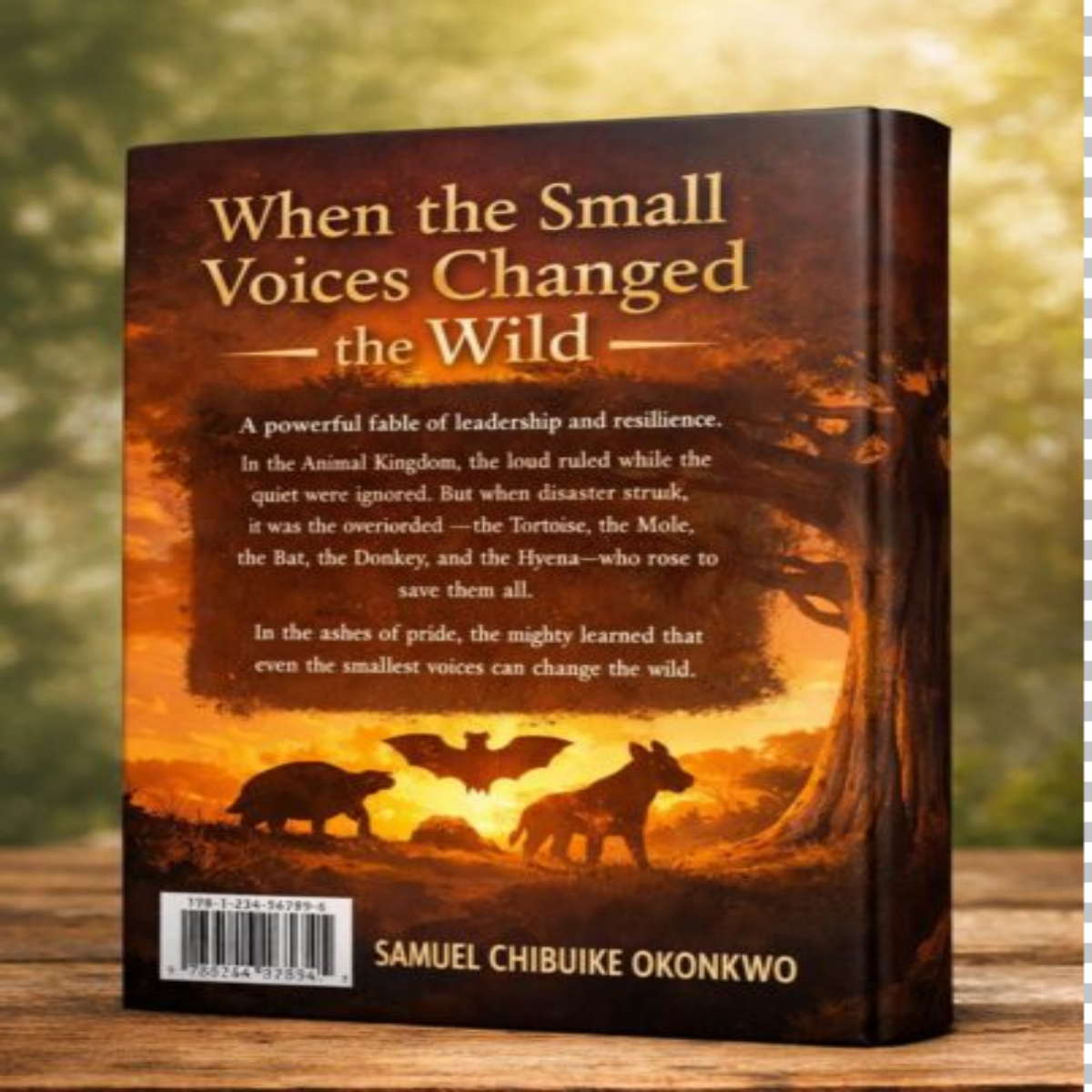
When the Small Voices Changed the Wild is a powerful animal fable about leadership, inclusion, and hidden strength. In the Animal Kingdom, power is controlled by the loud and admired—lions, elephants, and eagles—while quieter creatures like the tortoise, mole, bat, donkey, and hyena are ignored and dismissed. When disaster strikes through drought and fire, the mighty fail, and it is the overlooked animals who step forward, using wisdom, patience, and resilience to save the kingdom. Humbled by the truth, the powerful finally listen, and the once-rejected rise to leadership. The story ends with a transformed kingdom that learns its survival depends on valuing every voice, proving that those ignored today can become tomorrow’s greatest strength.
Chapter One: The Kingdom of Loud Crowns
Listen closely, dear reader, and travel with me beyond cities and villages, beyond borders drawn by humans, into a vast land where rivers spoke to mountains and the wind carried memory. This was the Animal Kingdom—a place of beauty and struggle, order and pride, where every creature had a role, yet not every creature had a voice.
At the center of this kingdom stood the Great Plain, crowned by an ancient baobab tree older than any living animal could remember. Its trunk was wide enough to shelter a council of giants, and under its shade power was decided.
Every year, the animals gathered there for the Grand Assembly.
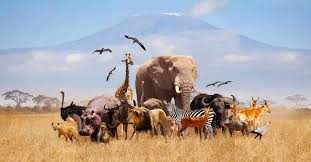
The Lion arrived first, mane glowing like fire, his roar silencing even the birds mid-song. The Leopard followed, swift and elegant. The Elephant came last, each step heavy with authority, memory, and law. Around them clustered the admired ones—the Stallion with polished muscles, the Peacock dressed like royalty, the Eagle whose wings claimed the sky.
Their voices filled the air.
They spoke of strength. They spoke of dominance. They spoke of tradition.
And as always, they chose themselves.
Far from the center, half-hidden by grass, shadow, and silence, stood others. The Tortoise leaned on patience instead of speed. The Mole wiped dirt from his eyes after another night underground. The Bat clung upside down, unseen and uncelebrated. The Donkey waited quietly, burdened but dependable. The Hyena stood apart, laughed at, feared, and misunderstood.
No one asked them to speak.
No one asked what they saw, what they knew, or what they carried inside.
The Assembly ended with cheers from the powerful and quiet footsteps from the ignored. As the sun sank low, the rejected animals drifted back to their corners of the kingdom carrying the same unspoken question year after year:
Does this kingdom even know we exist?
The land itself seemed to sigh.
Chapter Two: The Gathering of the Ignored
Night fell gently over the Animal Kingdom, and with darkness came truth. In the places the powerful never visited—burrows, caves, thickets, and forgotten paths—the ignored animals lived lives of quiet endurance.
It was the Tortoise who first spoke.
Not loudly. Not dramatically.
Just wisely.
“If we remain silent,” he said one evening as moonlight painted silver lines across the ground, “we will always be unseen. But if we listen to one another, we may yet save this land one day.”
One by one, the others gathered.
Mole emerged from the earth, carrying the smell of soil and secrets. “I know what lies beneath their thrones,” he said. “Weak tunnels. Cracked roots. The ground is not as strong as they think.”
Bat fluttered down, eyes sharp in darkness. “I see at night what others fear. When danger sleeps, I am awake.”
Donkey lowered his head. “They laugh at my slowness,” he said, “but when the load is heavy, I am the one they call.”
Hyena stepped forward, laughter gone, voice steady. “They call me ugly. They call me evil. But I know survival. I know hunger. I know how to rise when the world turns its back.”
They did not meet to plot revenge.
They met to prepare.
Because those who are ignored often see disasters before they arrive.
Chapter Three: The Fall of the Mighty
The disaster came without ceremony.
First, the rains failed.
The rivers shrank, then cracked, then disappeared into memory. Prey and predator crowded the same dry edges, tempers sharp as thorns. The Lion roared commands, but hunger does not listen. The Elephant remembered old paths, but they led only to dust.
Then came fire.
Flames raced across the savannah, faster than hooves, higher than wings. Smoke choked the sky. Panic broke the kingdom’s order in a single night.
The proud scattered.
The strong became confused.
And the ignored stepped forward.
Mole led animals through underground passages hidden from flame. Bat guided lost herds through the smoke using sound and instinct. Donkey carried the young, the injured, and the weak without complaint. Tortoise stood firm, directing traffic with calm wisdom when speed failed. Hyena gathered the terrified, turning fear into movement, chaos into survival.
By dawn, the fire had passed.
The kingdom still stood.
But its pride lay in ashes.
Chapter Four: The Great Reckoning
Under the baobab, the survivors gathered again—this time in silence.
The Lion’s mane was scorched. The Peacock’s feathers were dull. The Eagle’s wings trembled from smoke. The Elephant knelt.
Then something unheard of happened.
The Lion spoke softly.
“We were loud,” he said. “But we were not wise.”
One by one, the mighty stepped aside.
They called the Tortoise forward. The Mole. The Bat. The Donkey. The Hyena.
Not to mock them.
But to listen.
Truth filled the clearing like rain after drought.
Chapter Five: The Victory of the Overlooked
From that day forward, the Animal Kingdom changed.
Leadership was shared. Councils widened. Paths once ignored became roads of honor. The rejected animals did not rule by force—they ruled by balance.
Tortoise became Keeper of Time. Mole, Guardian of Foundations. Bat, Watcher of the Night. Donkey, Bearer of the Burden. Hyena, Voice of Survival.
They were no longer laughed at.
They were victorious.
And so, dear reader, remember this:
When the world ignores the quiet, the patient, the different—it risks losing everything. But when it listens, even the smallest voices can save the wild.
The End.